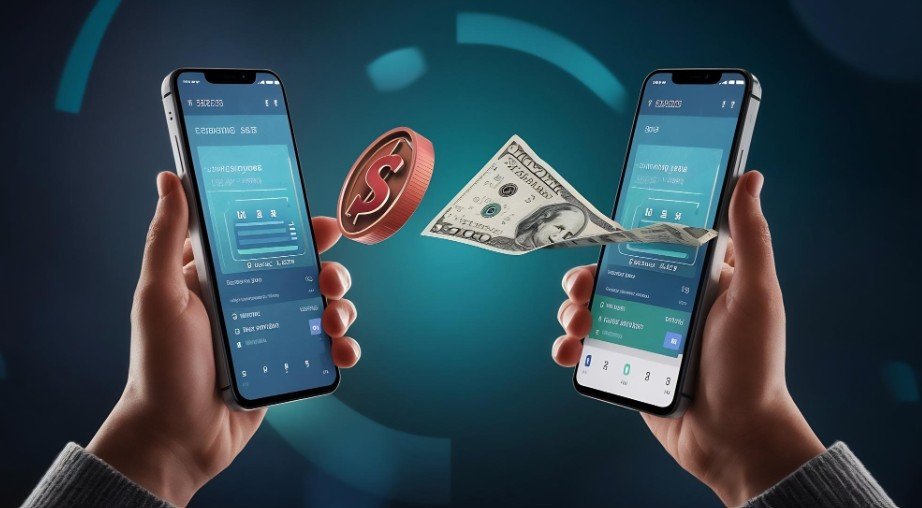
Sending money through a phone takes only a few seconds, but choosing the wrong service or recipient can turn that convenience into an expensive problem. When I evaluate safe money transfer apps, I look beyond popularity. I consider account security, fraud monitoring, recipient verification, payment protection, transfer speed, fees, and what happens when a transaction goes wrong.
No payment platform can completely eliminate fraud. However, the right app can reduce account takeovers, warn you about suspicious activity, protect eligible purchases, and give you a clear way to report unauthorized payments. Here are eight dependable choices for sending money to family, friends, businesses, and international recipients.
What Makes a Money Transfer App Safe?
A secure app should protect both your account and your transaction. Encryption protects information while fraud-monitoring systems look for suspicious behavior. Biometric authentication, security PINs, multifactor authentication, transaction alerts, and device verification can make unauthorized access more difficult.
Transaction protection is equally important. Some services protect qualifying purchases but do not cover personal payments. Others are designed only for sending money to people you already know. Once an authorized payment reaches a scammer, recovering it may be difficult, even when the app itself was not technically breached.
1. PayPal: Best for Protected Online Purchases
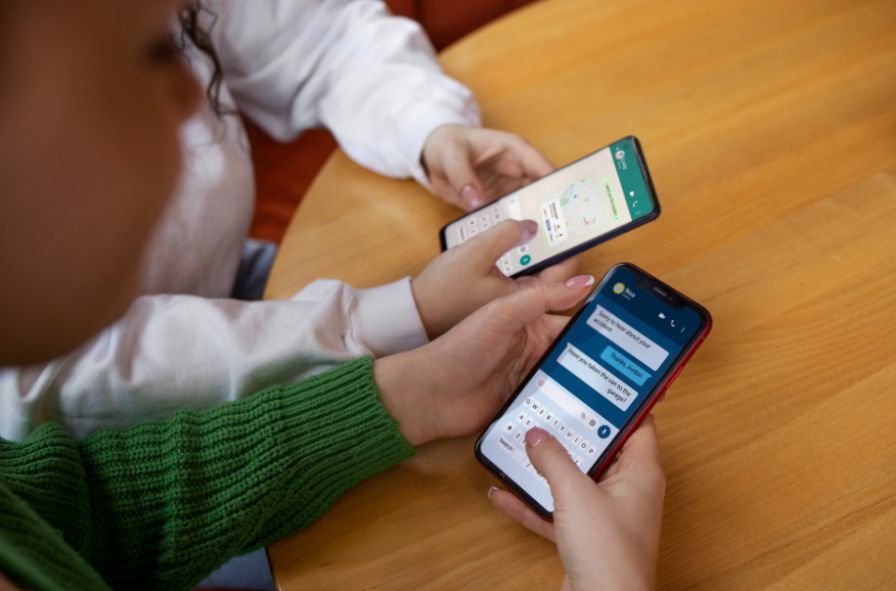
PayPal is one of the strongest choices when buying qualifying products or services online. It provides encryption, continuous fraud monitoring, account alerts, and security tools for detecting unusual activity.
Its major advantage is Purchase Protection. An eligible transaction may qualify for reimbursement when an item never arrives or differs significantly from its description. Disputes generally must be opened within the permitted claim period, and exclusions apply. Personal payments to friends and family should not be treated as protected purchases.
PayPal works best for online shopping, freelance payments, business purchases, and transactions where a documented dispute process matters.
2. Zelle: Best for Direct Bank Transfers
Zelle is built into many banking apps and moves money directly between eligible bank accounts. Users typically need only the recipient’s enrolled email address or mobile number, so sensitive bank details are not shared with the recipient.
The service is convenient for paying relatives, splitting rent, reimbursing coworkers, or sending money to another trusted person. Its speed is also its biggest risk. Payments to enrolled recipients generally move quickly and usually cannot be canceled after authorization. Zelle therefore advises users not to pay strangers or unfamiliar online sellers.
3. Venmo: Best for Everyday Social Payments
Venmo is useful for splitting restaurant bills, sharing household expenses, paying roommates, and reimbursing friends. It offers account security controls, login verification, transaction notifications, and fraud-detection systems.
Qualifying payments for goods and services may receive Purchase Protection, but ordinary personal transfers generally do not. Before paying a seller, confirm that the transaction is marked correctly and that protection applies. Never assume every Venmo payment automatically includes buyer coverage.
Reviewing privacy settings is also worthwhile because users may prefer to keep their payment activity private rather than visible to other people.
4. Apple Cash: Best for iPhone Users

Apple Cash offers a convenient way to send and receive money through Messages or Wallet. Access is protected by the security features built into compatible Apple devices, including passcodes, Face ID, and Touch ID.
The platform may conduct identity verification and can restrict accounts when suspected fraud or additional security concerns arise. However, payments sent for products outside a trusted marketplace may be difficult to recover. Apple specifically warns against paying unknown people, accepting checks in exchange for sending money, or responding to urgent payment demands from someone claiming to represent a company or government agency.
5. Wise: Best for International Bank Transfers
Wise is designed for people sending money across borders. It is particularly useful when you want clear exchange-rate information, transparent fees, and direct deposits into a recipient’s bank account.
The service may require identity verification, depending on the transaction and account activity. This process can feel slower than instant social payments, but identity checks are an important part of regulatory compliance and fraud prevention.
Before confirming a transfer, review the recipient’s full legal name, bank information, currency, total fee, and amount expected to arrive. International payments can be harder to correct when inaccurate details are submitted.
6. Cash App: Best for Flexible Personal Payments
Cash App combines person-to-person transfers with a debit card, direct deposit, savings features, and other financial tools. Its security features include encryption, fraud detection, transaction alerts, Security Lock, and biometric or PIN confirmation.
People who manage shared expenses, freelance work, or small team payments may also benefit from online services that simplify project management, especially when they need to organize invoices, deadlines, payment records, and responsibilities in one place.
Eligible customers may receive deposit insurance under specific conditions, but users should verify whether their balance qualifies rather than assuming every stored balance is automatically covered.
Cash App remains convenient, but consumers should consider its fraud-handling history. A 2025 regulatory action required its operator to provide consumer redress and address identified failures involving fraud investigations and customer support.
7. Western Union: Best for Cash Pickup

Western Union is useful when a recipient needs to collect physical cash or when the sender needs broad international availability. Its app uses security measures such as encryption, identity verification, and biometric access.
Cash pickup can help recipients without conventional banking access, but transfers should be made only to verified people. Requests for payment involving emergencies, prizes, romance, taxes, immigration problems, or guaranteed investments are common warning signs.
8. MoneyGram: Best for Multiple Delivery Options
MoneyGram supports bank deposits, mobile-wallet transfers, and cash pickup in supported destinations. It may require identity verification and provides channels for reporting suspected fraud.
The service can be practical for recipients who need flexible delivery options. However, users should compare the final exchange rate, transfer fee, estimated arrival time, cancellation rules, and recipient requirements before paying.
How to Send Money More Safely
Verify the recipient through a trusted phone number before sending anything. Check the username, email address, mobile number, and profile image carefully, especially when a payment request arrives unexpectedly.
Enable multifactor authentication, biometric login, transaction notifications, and any available security lock. Use a unique password and never share verification codes.
Keeping your phone organized can also reduce mistakes when switching between payment, banking, and verification tools. Using free productivity apps with premium features may help manage secure notes, payment reminders, receipts, and transaction records without immediately paying for a subscription.
Avoid keeping more money than necessary in a payment-app balance. Some stored funds may not receive the same federal insurance protection as money placed directly in an insured bank or credit-union account.
For purchases, use the app’s goods-and-services payment option when available. Do not use personal transfers to pay unknown sellers merely because they offer a discount.
Frequently Asked Questions
1. Which are the safest money transfer apps for purchases?
Among safe money transfer apps, PayPal and eligible Venmo transactions stand out for purchases because they provide formal protection programs under qualifying conditions. Always read the eligibility rules before sending payment.
2. Can a money transfer app reverse a payment?
A pending payment may sometimes be canceled, but a completed authorized transfer is often difficult to reverse. Report the transaction immediately to the app and the connected bank or card provider.
3. Is it safe to transfer money to a stranger?
Personal payment features are generally unsuitable for strangers. Use a marketplace checkout system or a protected goods-and-services transaction instead.
4. What should I do after sending money to a scammer?
Contact the payment company immediately and request a reversal. Then notify your bank, debit-card issuer, or credit-card company. Change compromised passwords, preserve screenshots, and report the scam through the appropriate fraud-reporting channel.
Final Thoughts
I would not choose an app based solely on speed or brand recognition. I would first decide whether I am paying a trusted person, purchasing a product, or transferring money internationally. That purpose determines which protections matter most.
PayPal is a strong option for eligible purchases, Zelle works well between trusted bank customers, Venmo is convenient for shared expenses, Apple Cash suits the Apple ecosystem, and Wise is practical for cross-border transfers. Regardless of the app, verifying the recipient and slowing down before confirming the payment remain the most effective protections.